What happened
Réglo Mobile is a French mobile offer operated within the E.Leclerc and Altice France ecosystem, using a network partner rather than running a nationwide mobile network of its own. In February 2026, the company told customers that one of its processors had suffered a computer attack beginning on February 13. The notice said an unauthorised extraction of customer-account data had been identified and that the breach had been contained after the security weakness was corrected.
Public reporting later listed Réglo Mobile among the affected telecom services and estimated 358,000 exposed records. That figure describes potentially exposed records, not confirmed fraud or a count of unique people.
Which data was involved?
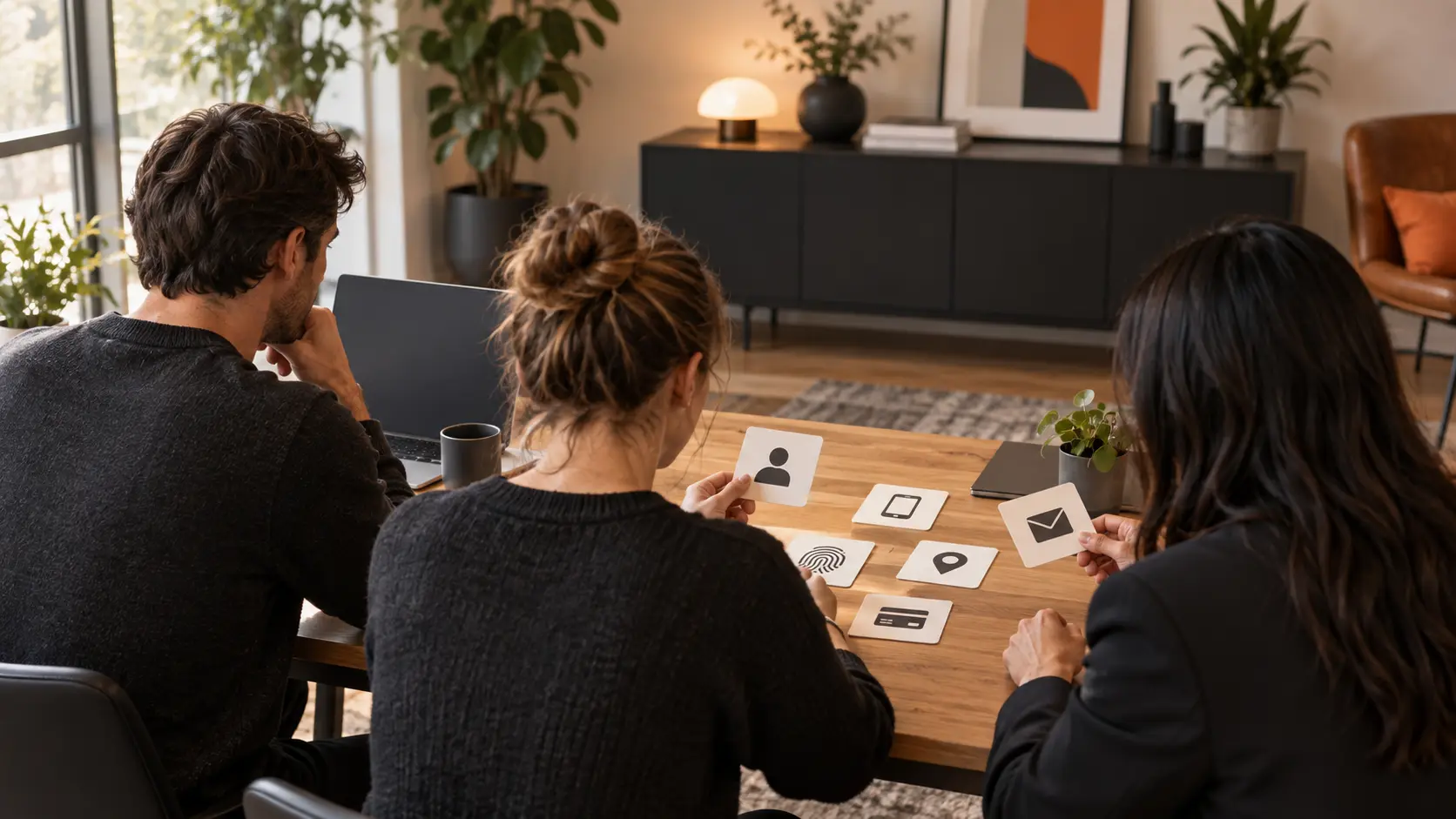
The customer notice listed names, postal and email addresses, phone numbers, dates of birth, PUK codes, call records and partially masked IBANs or card numbers. Réglo Mobile said passwords were not affected and that the partial masking prevented fraudulent use of the bank data.
That distinction matters. The incident does not establish that an attacker could log in to a Réglo Mobile account or debit a customer. It does create a useful identity bundle for targeted messages, calls and account-recovery attempts, especially when combined with information from other breaches.
Why the incident raises phishing and SIM-swap risks
An attacker who knows a customer’s name, address, date of birth and phone number can make a fake support call or message sound plausible. The operator specifically warned about phishing and online impersonation. Its notice did not report that a SIM had been swapped.
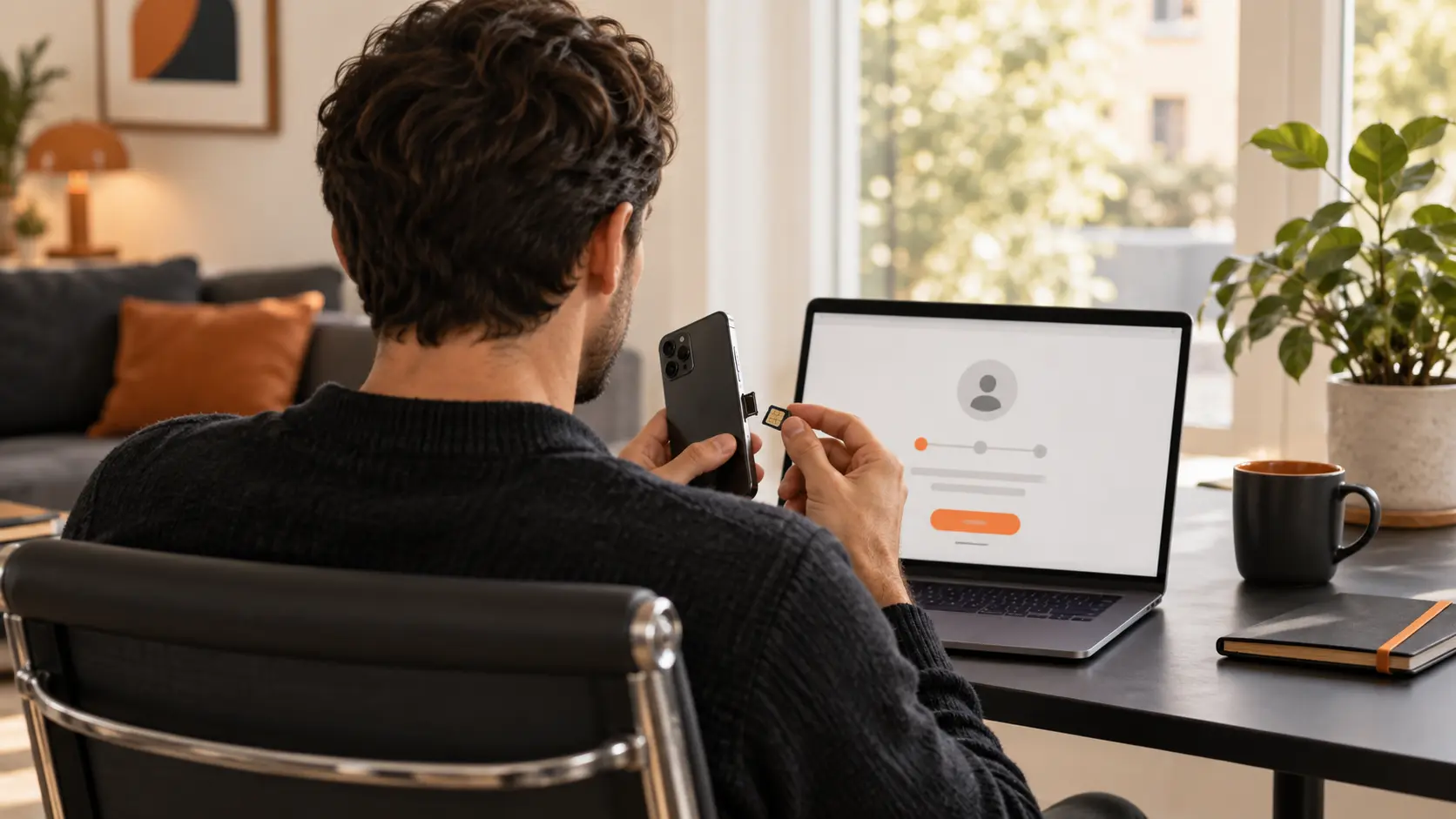
SIM swapping is a separate attack that requires the criminal to move the number to another SIM or exploit a recovery process. The operator's incident notice does not say that a SIM was swapped. Treat SMS as one recovery channel rather than the only protection for important accounts.
What customers should do now
- Treat unexpected calls, emails and texts about a SIM, payment, refund or identity check as untrusted. Open the known Réglo Mobile website manually instead of following a received link.
- Do not disclose an SMS code, customer-area password or bank detail to a caller. Contact the operator through a number taken from an official bill or website.
- Check email, banking and other critical accounts for reused passwords. Replace reused secrets with long, unique passwords even though the Réglo Mobile notice said its passwords were not affected.
- Review recent login alerts and recovery settings. For high-value accounts, prefer an authenticator app or a security key to SMS-only verification.
For more on safe recovery after an exposure, read our guide to creating strong, unique passwords and our article on device-code phishing. An exposed contact detail alone does not mean that an account password needs to be reset; prioritise passwords reused on other services.
Organisations should identify those dependencies, separate personal and professional recovery channels, and define what support staff may ask for. No help-desk process should rely on a caller knowing only a name, address and date of birth.
Actions and frequently asked questions
Does the breach mean my Réglo Mobile account was taken over? No. The reported incident concerns an unauthorised extraction of personal data; it does not prove that an account was accessed or that a SIM was replaced.
Should I cancel my bank card? The notice said the exposed card and IBAN data was partially masked and could not be fraudulently used. Contact your bank directly if you observe an unexplained payment or receive a suspicious banking request.
What is the first account to protect? Start with the email account that can reset other passwords, then financial, work and identity-related services. Give priority to any account that still uses SMS as its only second factor.
- Ask the operator what anti-porting or account-lock options are available for your line.
- Move critical accounts from SMS codes to an authenticator app or hardware security key.
- Keep a second, secure recovery method that does not depend on the same phone number.
- If the line suddenly loses service, contact the operator from another channel and review account activity immediately.
The Soclyde connection
Soclyde does not protect Réglo Mobile’s systems and cannot reverse this incident. It can help generate a different secret for every service, keep those secrets and recovery codes in an encrypted vault, and reduce the password reuse that makes a contact-data breach spread into other accounts.
Takeaway
The documented Réglo Mobile incident is an exposure of customer identity and contact data through a compromised processor. The operator said passwords were not affected and bank details were partially masked; it warned about phishing and impersonation, not a confirmed SIM swap. Stay sceptical of unsolicited support messages, remove password reuse and keep critical recovery methods independent from SMS.
For more guidance, read our secure password generator guide or contact Soclyde.