In its English final report dated 24 November 2026, TEMAIRAZU clarifies possible exposure from the 21 September intrusion into its hotel reservation-management system. The upper estimate falls from about 4.45 million to about one million potentially affected people.
That ceiling does not mean every person’s data was copied. The report maintains a practical warning for travellers: verify messages requesting payment or advance check-in steps.
An estimate refined by the investigation
The provider says the external investigation narrowed the possible scope. It states that it holds no payment-card details or booking-site login credentials. A fraudulent message can nevertheless ask a traveller to disclose those details afterwards.
Some accommodation providers’ management credentials may also have been obtained. TEMAIRAZU says it contacted those properties and completed the relevant changes or invalidations. This action concerns hotel management access rather than a general reset of travellers’ accounts.
Separate the timeline from individual hotel notices
LegalAgent reconciles the provider’s report with announcements from hotels using the service. Its coverage retains the incident-wide ceiling without adding individual hotel notifications that may overlap with the same reservation population.
The English report of 24 November is a documentary update to an earlier intrusion, not evidence of a newly discovered attack that day. Your property’s notification remains the reference for assessing whether an existing booking is involved.
Guests have received fraudulent messages
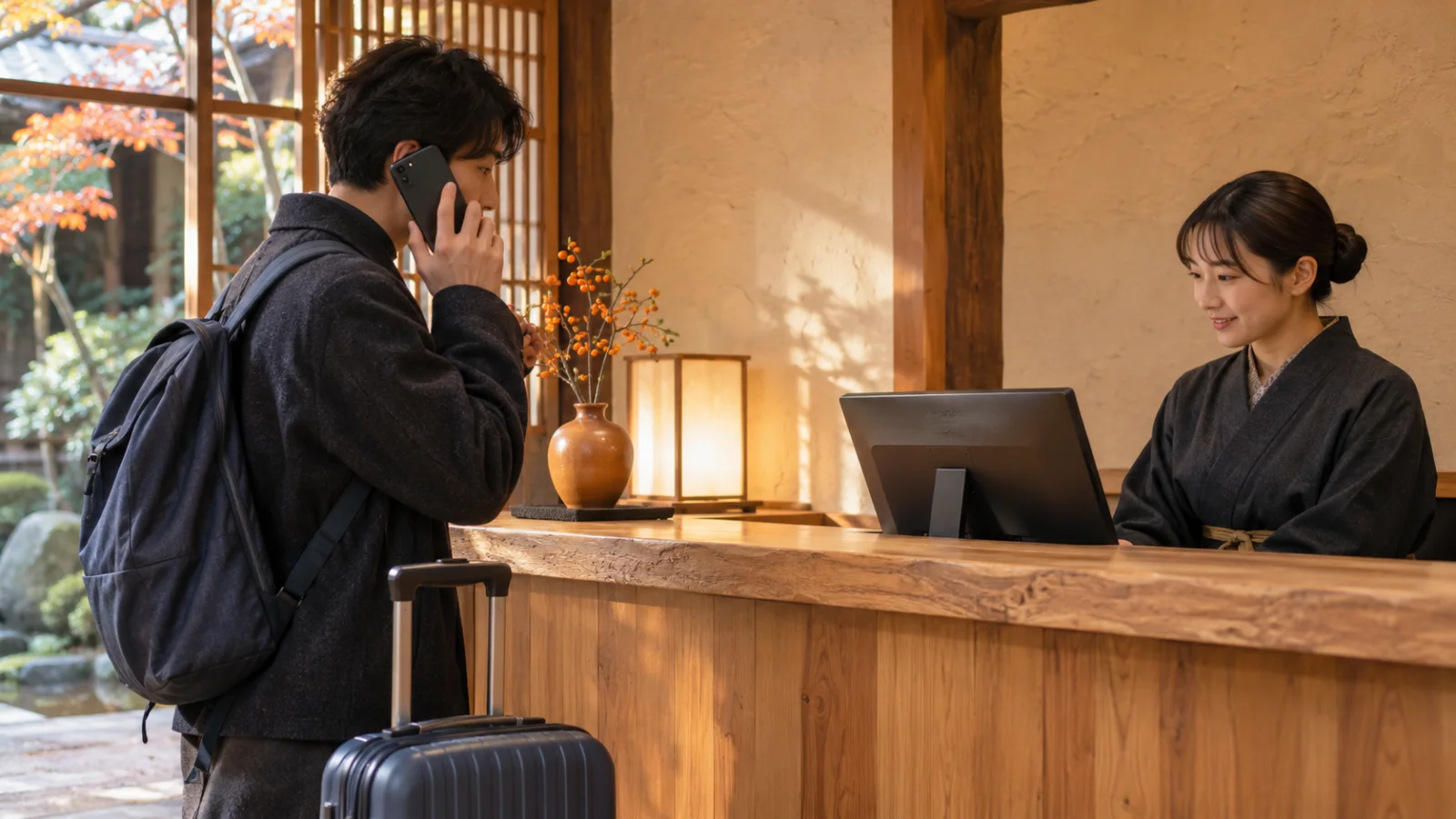
Miyawaka Torano-yu says some of its guests received suspicious messages posing as booking correspondence. The hotel states that it does not ask customers to enter or re-register payment-card details through WhatsApp, SMS, social media or email.
For guests of this hotel, a card request received by message should therefore be checked with the property through its official contact details. A correct stay date in the message is not enough to authenticate its sender.
Verify the reservation outside the message
TEMAIRAZU asks travellers to contact the accommodation or booking site through official channels and avoid payments prompted by suspicious messages. If you already entered a card on a doubtful site, contact its issuer promptly.
Hotels can designate an accessible verification channel and remind reception staff of their payment rules. Check that any management access flagged as potentially affected has been renewed according to the provider’s instructions.
The connection with Soclyde
A small hotel manages logins for reservation tools, sales channels and support. Soclyde keeps their passwords in an encrypted vault on devices; Premium sharing helps reduce copies between colleagues.
Organized access supports authorized staff during the response. Payment validation and assessment of a TEMAIRAZU notification still need to happen with the provider or the property.
What to remember
The report refines possible exposure and reinforces the need to verify booking messages directly. Travellers and hotels have different actions to take according to their notices. The guide to securing your passwords complements the reception team’s access procedures.