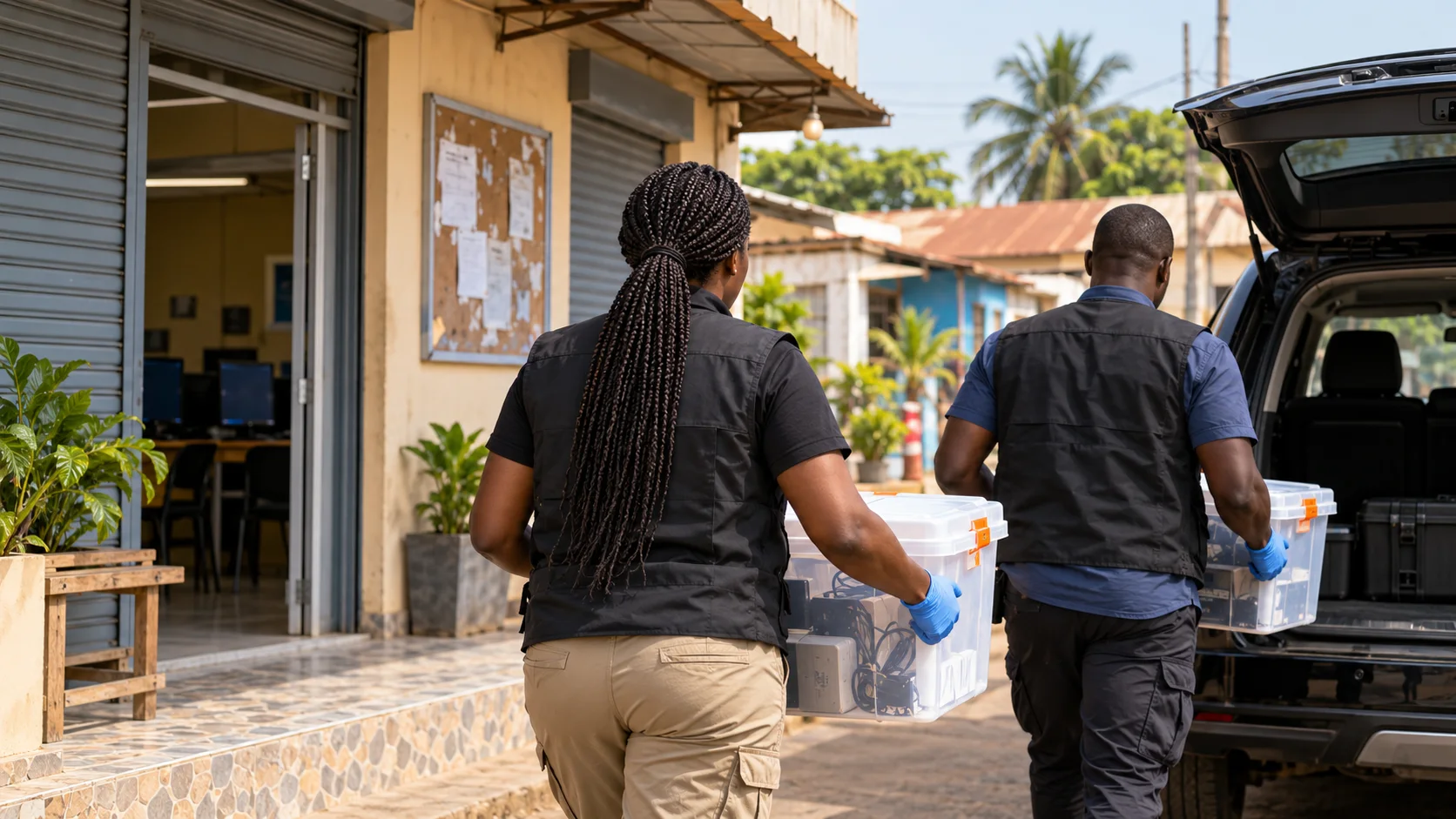
The U.S. Department of Justice announced results on October 13 from an international operation targeting online scam networks in West Africa. Authorities reported 28 arrests in Ghana and Nigeria and 117 trafficking victims identified in Ghana who were awaiting repatriation. Arrests are not convictions.
Networks linked to several types of fraud
The statements cite investment fraud, impersonation, and demands for money under pressure. Technology platforms and companies took part by disrupting accounts, pages, or infrastructure they associated with these activities. Scope and actions differed by partner.
Arrests and victims are separate groups
The DOJ reports 28 arrests of people suspected of criminal activity. Meta separately says 117 trafficking victims were rescued or identified in Ghana, with authorities announcing their return to Nigeria. These figures refer to different groups and should not be added together.
Measures announced by participants
Meta says it removed more than 3.7 million accounts, pages, and groups linked to the networks. The DOJ reported potentially freezable assets and seizures. These are results reported by participants; one operation does not prove that the networks have disappeared or that every exposed person has been identified.
Protect yourself from fraud attempts
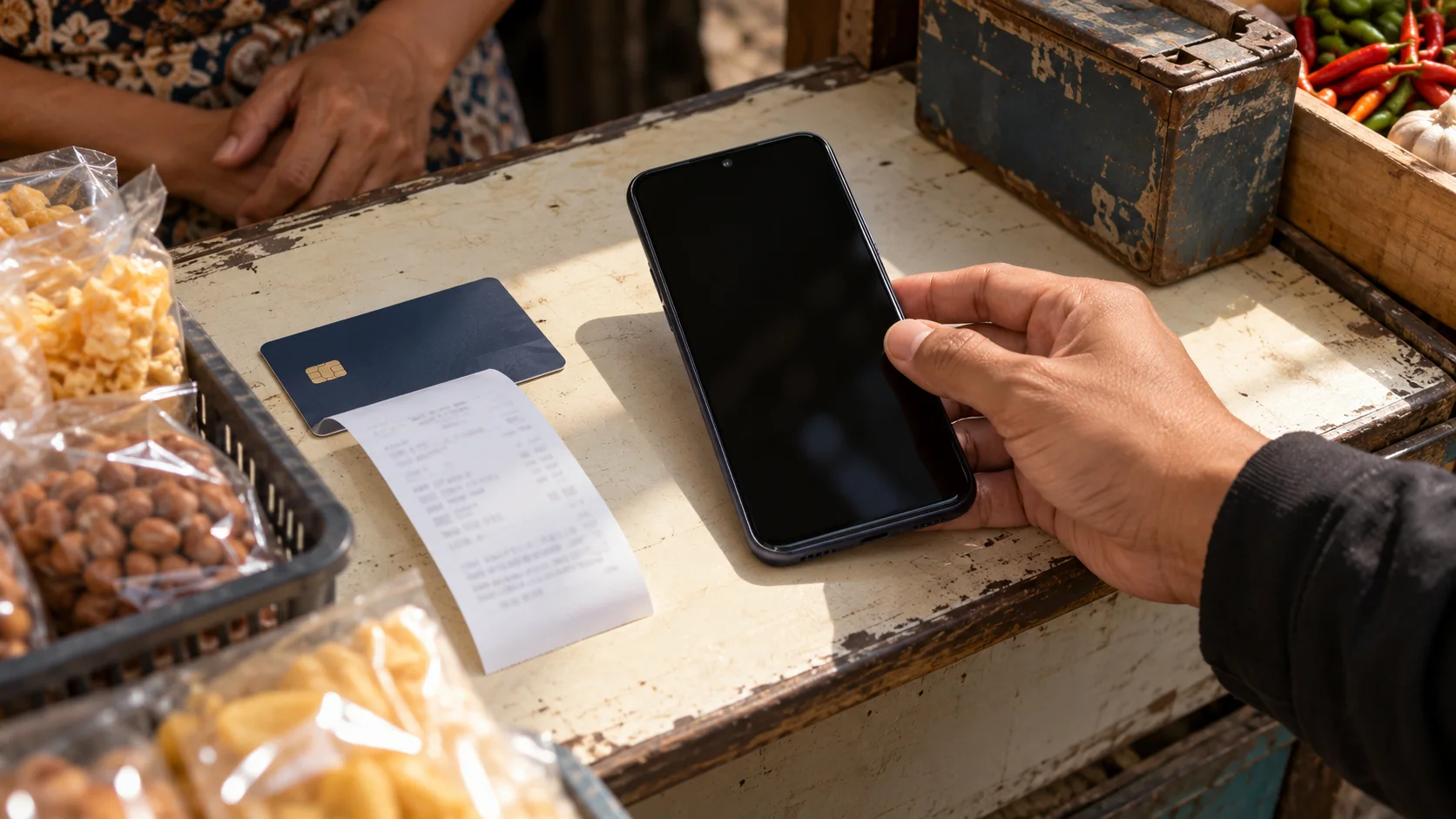
Be wary of guaranteed returns, urgent payment requests, and contacts who demand secrecy or insist on one channel. Verify identities independently, never share sign-in codes, and contact your bank without using details supplied in a suspicious message.
How Soclyde fits
Unique, well-organized credentials can limit the impact of a reused password if an account is targeted. Soclyde does not detect scams or verify contacts. Our guide to recognizing phishing covers useful checks.
What to remember
The operation combined criminal investigations, disruption of online services, and anti-trafficking work. For users, independently verifying requests for money and credentials remains essential.